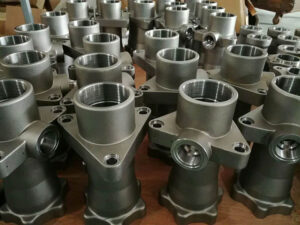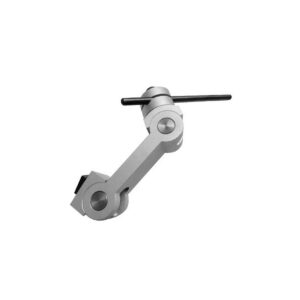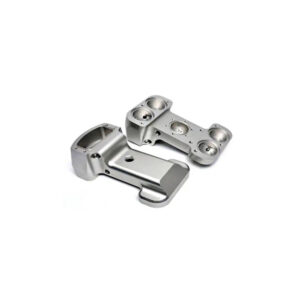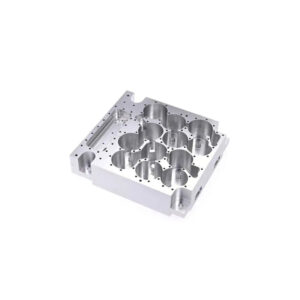
Top 5 Benefits of Using CNC Machining for Custom Parts
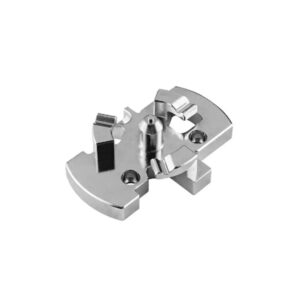
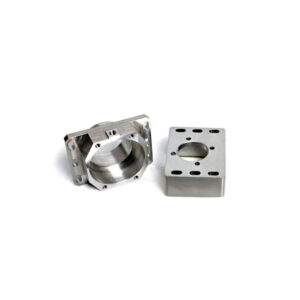
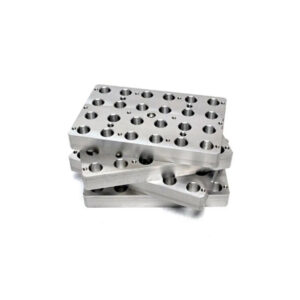
In the world of modern manufacturing, the demand for high-precision, custom-made components is higher than ever. From the miniature gears in a medical device to

In the world of modern manufacturing, the demand for high-precision, custom-made components is higher than ever. From the miniature gears in a medical device to

Introduction In modern metal manufacturing, each melting operation generates a digital fingerprint containing 200+ data points that collectively determine material performance. By applying big data analytics to historical spectrometer

Introduction The combination of Coordinate Measuring Machines (CMM) and Artificial Intelligence (AI) vision systems is revolutionizing quality control for large castings. Traditional sampling-based inspection methods, which typically check only 5-10%

Introduction In semiconductor manufacturing, where a single microscopic contaminant can destroy millions of dollars worth of silicon wafers, the cleanliness of equipment components becomes paramount.

Introduction The global hydrogen economy demands valves capable of withstanding -253℃, the boiling point of liquid hydrogen—91℃ colder than LNG and presenting unique material challenges. As hydrogen

Introduction The convergence of additive manufacturing and traditional investment casting is unlocking unprecedented capabilities in producing components with complex internal geometries. By implementing industrial-grade 3D wax printing

Introduction The adoption of Digital Twin technology is revolutionizing investment casting by enabling manufacturers to predict and prevent defects before they occur. By creating virtual replicas of

Introduction Cavitation damage remains one of the most challenging problems in pump impeller performance, causing efficiency losses up to 15% and reducing component lifespan by

Introduction Cobalt-chromium alloys have become the material of choice for orthopedic implants and dental prosthetics due to their exceptional biocompatibility, wear resistance, and mechanical properties.

Introduction Operating valves at -196℃—the temperature of liquid nitrogen—presents extraordinary challenges that demand exceptional material performance and precise manufacturing control. When temperatures plunge this low, ordinary
We will contact you within 1 working day, please pay attention to the email with the suffix “@lnvtools.com”.